Cultural Studies: Myia Gilmore

Written by Myia Gilmore

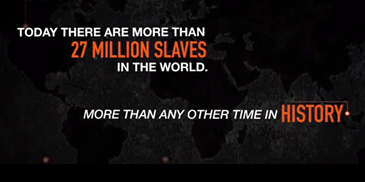
Human Slavery is a global business that thrives on the exploitation of labor on people. It can be seen within human trafficking, debt bondage, and forced labor, these being the main examples of human slavery (Kara, S). While many believe that slavery was only apparent during civil war times, it is still a very large issue we face today as there are about 27 million slaves currently in the world. Looking at human slavery from a cultural studies standpoint can help us understand why this is still such a big issue and how culture ties into the problem itself.
Retrieved on February 18th, 2020.
http://revgregsmith.blogspot.com/2013/05/human-trafficking-and-bible.html

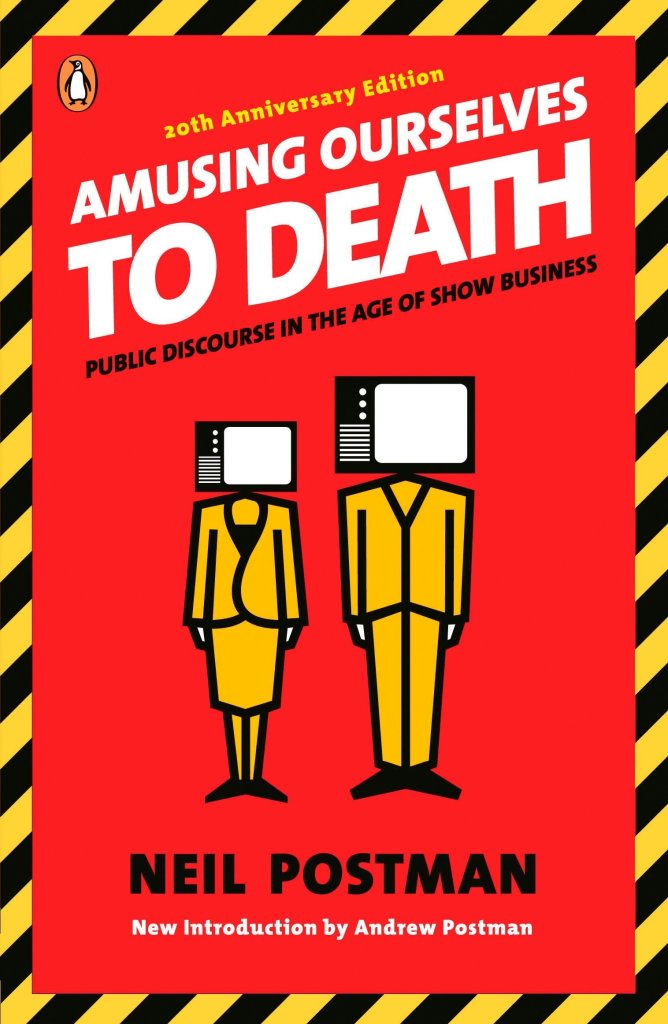
The University of Washington Bothell defines cultural studies as using factors such as religion, “race, class, ability, citizenship, gender, and sexuality” in an effort to “understand the structures and practices of domination and resistance that shape contemporary societies” (University of Washington Bothell). Culture plays into many of the reasons why certain societies and groups act the way they do, and the factors The University of Washington Bothell gave can tie into these reasons as well. Culture influences how societies interact and view certain situations. Different ethnicities across the world have different cultures and traditions that have developed from the beginning of humanity into what they are now today, creating unique societies that all function differently. Neil Postman compares culture to a conversation in his book Amusing Ourselves to Death. He explains that cultures use technologies and techniques that can be specific to certain cultures to exchange messages or converse, like a conversation, symbolically. Diverse techniques and ways of living within one culture effects how the people may communicate or interact.
Retrieved on February 18th, 2020.
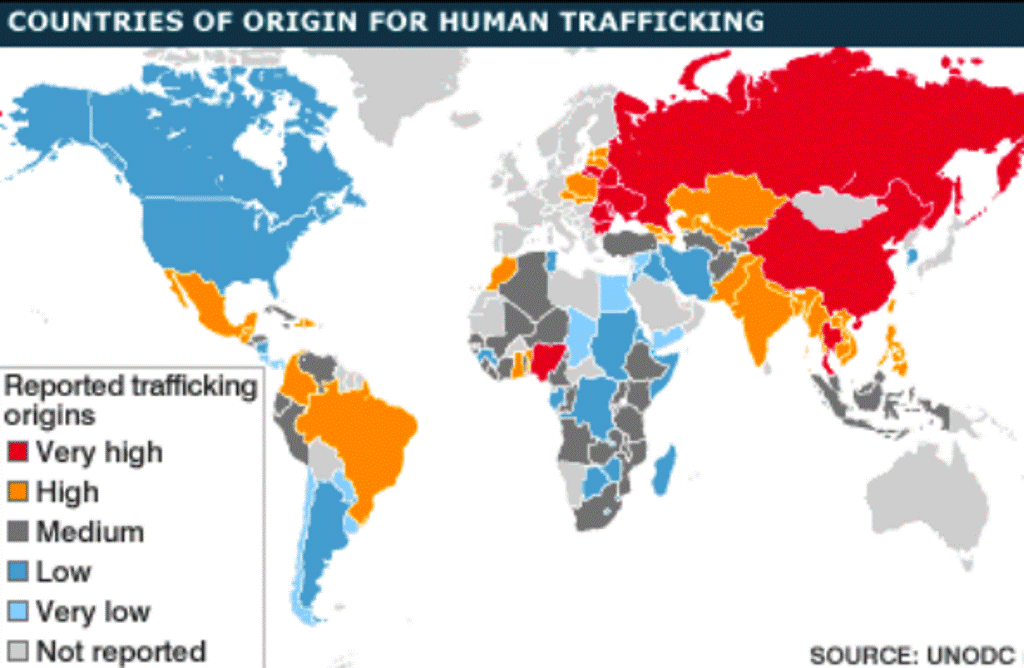
https://www.mic.com/articles/83303/this-sobering-map-shows-how-many-slaves-are-in-each-country

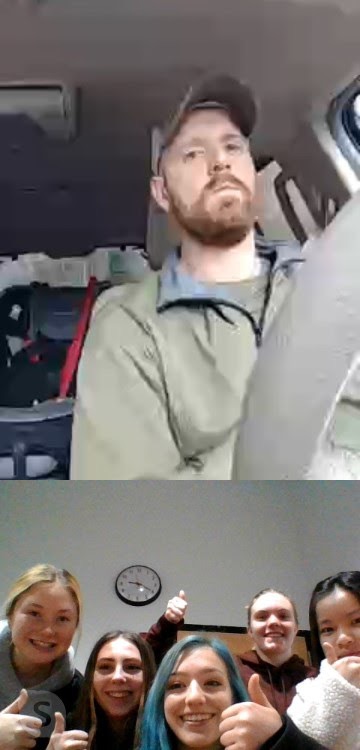
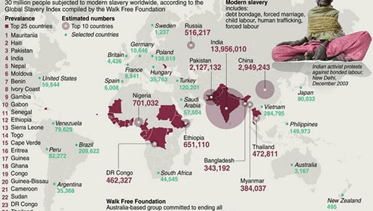
As we can see from this map, the middle to eastern side of the world in typically underdeveloped countries have much more human slavery. The data on the map are mainly estimates, since it is very difficult to track the numbers of modern-day slaves, but relatively the countries in red are the ones with more modern human slavery, ranging in dangerously high numbers. The main underlying problem we can take away from this map is that no country is left untouched. Even though some cultures contain more human slavery, it is present everywhere. Developed countries like ours have a different culture than underdeveloped countries such as in India or Pakistan, who rank very high on the top 25 list located in the map above, which may be why our numbers are lower. The US fought for laws against human slavery during the civil war and many more have been made since then to protect people from it, but not all societies share the same view or had those opportunities. My midterm group spoke to Ken Gilmore, a retired Delta Force soldier now working as a government contractor for military and law enforcement, about cases he has worked on with a nonprofit group called The Guardian Group to prevent sex trafficking.
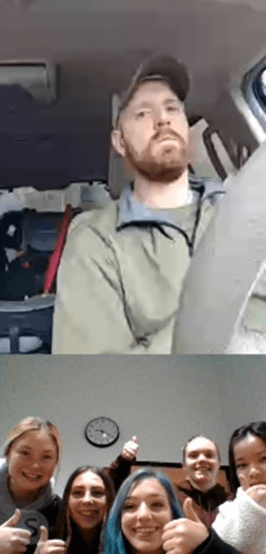

My midterm group and I with our community partner, Ken Gilmore.

Ken talked about how some terrorist groups in areas like Syria, such as ISIS, a major terrorist group, religiously believe that human trafficking is ethically acceptable in their culture. Even though it is illegal now, Ken mentioned that the Islamic Quran, the sacred book for the Islamic religion, accepted it in more ancient times. ISIS still believes this to be accepted, because of it being in the Islamic sacred book, so they use this as a cultural tactic to gain more human slaves. Ken is currently working on a case with The Guardian Group to rescue a girl who was lost due to human slavery in Syria. Because she had different religious beliefs from her Islamic culture and was a target, terrorists showed up at her doorstep telling her and her family that they would come back in two days to collect her. The soldiers followed through with what they told her and came back in two days’ time to retrieve her. She is now lost somewhere, and Ken and his team are doing their best to locate and save her.

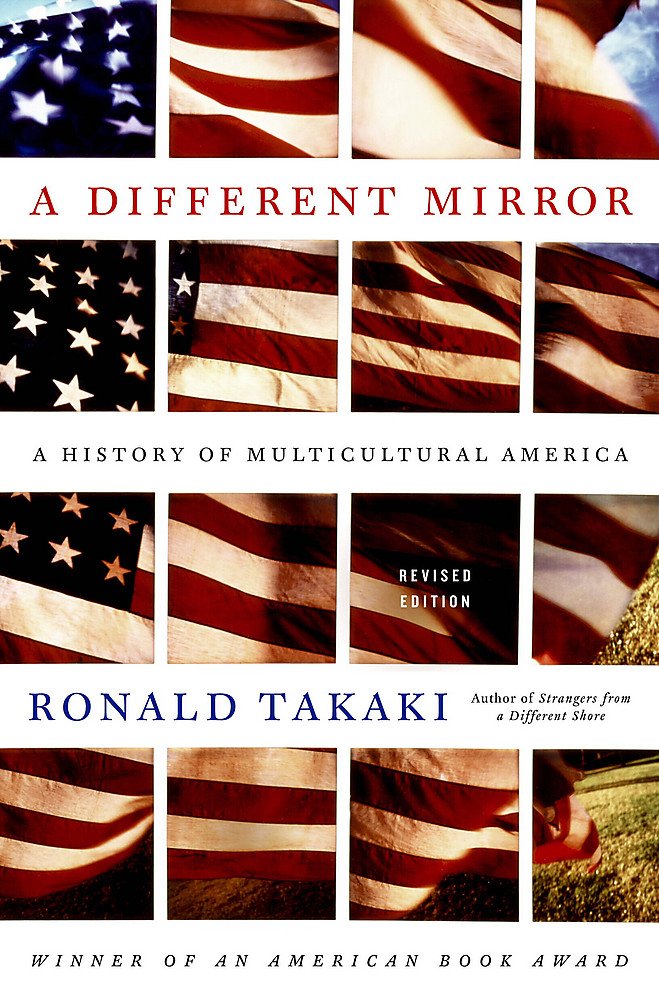
Another example of a common sex trafficking tactic within another culture can be seen within the US. Ken told my midterm group and I that people are typically tricked into the sex trafficking system in the US as opposed to kidnapping or forcing them into it like the ISIS terrorists do. The human trafficking groups in America are usually smaller, independent ones instead of large terrorist groups and these independent groups see human trafficking as a business opportunity, as it’s the third largest illegal trade in the world after drug and arms trafficking (Oregon Police Department). The US has one of the highest economies in the world, so living in a culture where money is a high priority, it makes sense why these groups see this as a major business opportunity. Ronald Takaki states in his book, A Different Mirror,

“the whole western world was ideologically opposed to American slavery, and therefore masters felt compelled to justify their particular institution as a ‘positive good.’ If they could show their slaves were happy and satisfied with their condition, then perhaps they could defend themselves against their moral critics.”

(Takaki p. 105)

 Takaki is talking about slave owners during the 1850s, who like the modern human traffickers in the US, saw slavery as a business opportunity and they weren’t going to give it up because others thought it was wrong. Slavery was such a known and common issue during this time period, and many didn’t see the harm in it. As I mentioned above about the US being an economic based culture and all, it was important to their financial well-being at the time and was part of their culture. The US was beginning to shift views on the matter on African American slavery as of the ethics of it, which is why laws and changes were slowly made to prevent it.

In these examples, culture and societal views aided in these groups’ decisions to be involved in human slavery, but in the case of African American slavery in the 1700-1800s these cultural views changed, and it became less acceptable. They show how different cultures and backgrounds can shape the views of these human slave owners; their cultural practices influencing the way they interact within their society.
Retrieved on February 18th, 2020.
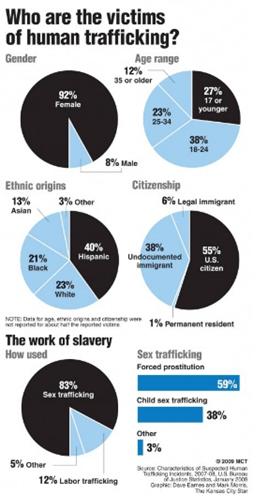
Statistics on human slavery in the US.
http://www.mesapress.com/news/2012/11/05/prop-35-aims-to-crackdown-on-sex-trafficking-in-california/

What we can see from this infographic, containing human trafficking statistics in the US in 2009, is that majority of the targets are female citizens of Hispanic ethnicity, mainly around age 18-24. Even in other countries, females, typically younger in age, are the main victims of human trafficking, but human slavery overall has many victims from both genders. Males typically falling prey to labor trafficking more often than women, and women tending to be the more desired targets in general across most cultures and ethnicities, mainly for sex trafficking.

Culture can greatly impact beliefs, traditions, religion, and many other factors within a society, making some things more acceptable in some countries, such as human slavery in Syria, than others, like human slavery in the US, even if not ethnically correct. These are only a select few examples of slavery within different cultures and are not the only cases of it. Human slavery is happening across the globe in many other cultures, with most societies, if not all, having some instance of it. Culture has a role in how human slavery plays out in different societies, each having different tactics that work more effectively in that specific area or society than in others. Looking through the perspective of cultural studies, we can study and learn how human slavery differs amongst cultures, helping us figure out ways to prevent it in all nations.

References:

Gilmore, K. (February 10th, 2020). [Personal Interview]

Kara, S. (2017). Perspectives on Human Trafficking and Modern Forms of Slavery. Social Inclusion, 5(2), 1-2.

Oregon Police Department. (n.d.). Home. Retrieved February 18, 2020, from https://www.guardiangroup.org/

Postman, N. (2007). Amusing ourselves to death: Public Discourse in the Age of Show Business. New York: Penguin Books.

Takaki, R. T. (2008). A Different Mirror: A History of Multicultural America. New York: Back Bay Books.

What Is Cultural Studies? (n.d.). Retrieved February 18, 2020, from https://www.uwb.edu/cultural-studies/why/what
Power: Allison Koonce

Human slavery in the twenty-first century is a more prominent issue than many would think. Slavery during our time today is otherwise known as human trafficking which can be defined as “Using force, fraud, or coercion to compel someone to perform labor (such as factory work, in restaurants, hotels, construction, and as domestic servants) or engage in a commercial sex act”(Seattle Police Department). Traffickers use power over victims to force them into the system and keep them there. Trafficking may occur right in front of civilians eyes, in restaurants or hotels, forced labor is not uncommon. One of your servers at a restaurant could have been a victim of human trafficking. Sex trafficking especially is widespread and a fast growing crime that not only affects America deeply, but many other countries. 

    The types of people that are targeted for modern human slavery are usually women and children, but anyone can be a target. In terms of forced labor, illegal immigrants may be targeted for cheap labor. Traffickers will threaten to send them back to their countries or report them in order to coerce them into forced labor. You may see victims at restaurants, hotels, construction, child or home care “nannies”, etc. Women especially are being trafficked everyday and oftentimes out in the open. Traffickers search for vulnerable people to make their victims. They search around large group homes and high schools. Predators will pray on young people who may have low self esteem, they will compliment and groom the victims. 

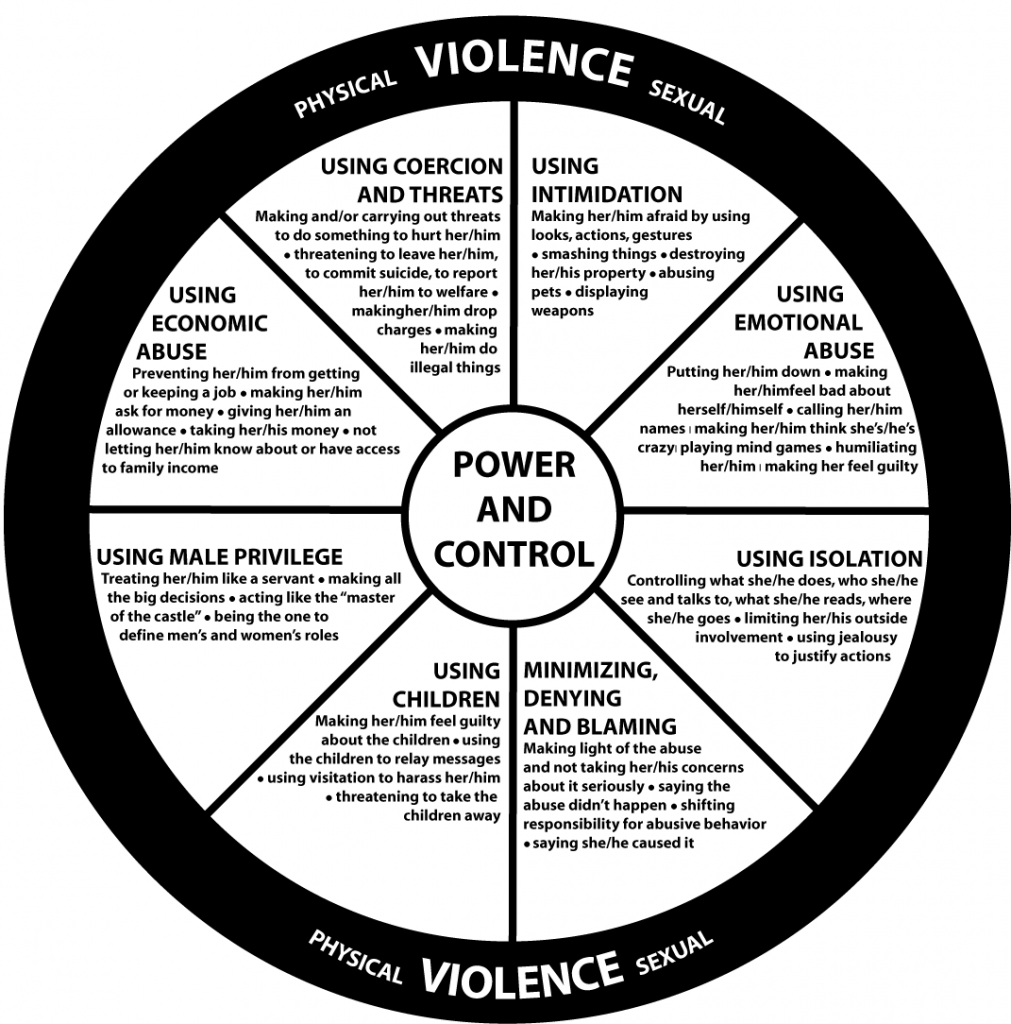
power and control wheel
https://www.thehotline.org/is-this-abuse/abuse-defined/power-and-control-wheel-updated/

    Our community partner is Ken Gilmore, he works with an organization called Guardian Group. Guardian Group is a group involving former military personnel, law enforcement, and intelligence professionals all working together to prevent sex trafficking in the United States. They offer training to those looking to make a difference and provide helpful information in noticing trafficking. Guardian Group also works with law enforcement throughout the country to bring sex trafficking cases to their attention and collaborate in solving cases. By using their expertise and the power of knowledge, Guardian Group has educated four hundred and ninety-three individuals, identified five victims, and processed seven cases. 

    When interviewing Mr. Gilmore, he provided very useful and interesting information about his work and what sex trafficking is. He informed us that many large criminal groups have developed a side business of sex trafficking or have made that their main “product”. Groups such as Isis, the Mafia, Tri-ads, MI6, and American gangs such as the Bloods and Crips are all associated with sex trafficking. Relating this to the power lens, these groups are viewed sometimes as untouchable and hold extreme amounts of power over their areas. Due to this immense power, law enforcement often times is unable to get involved or people are too afraid to report the crime. The case he is working on is a girl who was taken from her home in Iraq by Isis, and is now being sex trafficked. In Syria, Iraq, Iran and many other Middle Eastern countries, Isis is the most powerful group around. Isis follows the Qur’an which is a sacred Islamic text. The Qur’an states that it is okay to bring harm to those following other religions, the girl taken by Isis was Christian. Mr. Gilmore states that Isis members entered the victim’s home the day before her kidnapping and said they were going to take her. Then the next day they came and followed their promise. The victim’s family couldn’t contact the authorities or try to run without more repercussions from Isis. Showing the extreme power the group has over the country. Mr. Gilmore and others with Guardian Group are working to find her location and rescue her from this tragedy. 

Mr. Gilmore then explains how sex traffickers manipulate girls to stay. He says it’s similar to an abusive relationship, they break down the victims and make them feel unworthy of help. They make them feel powerless through physical assault such as rape, that creates shame. Traffickers will mentally abuse women which can turn a victim into a complete shell of a person. Sometimes traffickers will also trick girls into thinking they’re in love and having a relationship with them. Guardian Group’s website explains it in stages: grooming and breaking, which maintains power and control. They use slanderous words such as, “ Statements like: “You are just a whore now “”No one will believe you “”Your family won’t love you anymore “”You are the one committing a crime” may be used.”(Guardian Group). This diminishes any fight girls being trafficked may have left in them, which is why many don’t reach out for help. 

ShutterstockHuman trafficking is people profiting from controlling and exploiting others - children, teens and adults. Thousands of people are trafficked without even crossing borders, some in their own communities.

https://www.taosnews.com/stories/human-trafficking-is-predatory-exploitation,57070

The next question is, why is modern day human slavery not being covered by the media or brought to the public’s attention more? Mr. Gilmore says that law enforcement contributes to this issue because sex traffickers are very hard to catch. Most trafficking cases require immense amounts of resources that police departments don’t always have. Human trafficking cases also entail much more time and effort, they’re hard to follow, and often require certain expertise. Trafficking is also rarely reported due to the power and control certain groups have over not only victims but communities. With all the power that the media has, why not use it to spread awareness? In Neil Postman’s “Amusing Ourselves to Death” he describes the media nowadays as “The Age of Show Business” where media is now meant to entertain rather than provide straight information. Postman brilliantly states, “There is no murder so brutal, no earthquake so devastating, no political blunder so costly–for that matter, no ball score so tantalizing or weather report so threatening–that it cannot be erased from our minds by a newscaster saying, “Now. . . this.” The newscaster means that you have thought long enough on the previous matter (approximately forty-five seconds), that you must not be morbidly preoccupied with it (let us say, for ninety seconds), and that you must now give your attention to another fragment of news or a commercial.”(Postman, pp.99-100). Proving that even if human trafficking was covered more by the media, people still wouldn’t really absorb the information. 

When comparing human slavery of the past and present, there are disturbing commonalities. Slavery in our past was much more widespread and visibly brutal, but now the torment is hidden. In Ronald Takaki’s “A Different Mirror” He discusses the hidden origins of slavery. Takaki provides information about Thomas Jefferson, how he owned hundreds of slaves and had sexual relations with many young female slaves. Takaki points out, “During that time my mother became Jefferson’s concubine.” In 1789, Jefferson wanted Sally Hemmings to return with him to Virginia. “She was just beginning to understand the French language well, and in France she was free, while if she returned to Virginia she would be re-enslaved. So she refused to return with him. To induce her to do so he promised her extraordinary privileges, and made a solemn pledge that her children would be freed at the age of twenty-one years.”(Takaki p.70). Sally Hemmings was 15 years old when she became Jefferson’s concubine, around the age that most girls enter the sex trafficking chain. Jefferson used his power to coerce Hemmings to stay with him, shockingly similar to the methods traffickers use today. 

Image result for signs of trafficking
https://www.dailypress.com/news/dp-nws-human-trafficking-poquoson-20190415-20190420-ta2ix5xc6zenhc42canc3easqi-story.html

Clearly, human slavery is not over, we are still repeating events from the eighteenth century when we are in the twenty-first century. Will human slavery ever end? As a modern society, we need to educate ourselves about this widespread issue. We need to recognize the severity of our daughters, mothers, and young sons being enslaved and tortured. Police forces need to put trafficking cases as a main priority, and communities need to learn the signs of human trafficking. Thanks to Ken Gilmore and others apart of Guardian Group, this problem is being combated. But in order to solve an epidemic like this, much more involvement and help is crucial. If we don’t face this soon, human slavery may never truly end.

References:

Gilmore, K. (2020, February 10). [Personal interview by the author].

Guardian Group. (n.d.). Retrieved February 18, 2020, from     https://www.guardiangroup.org/what-is-trafficking/
Human Trafficking Power and Control Wheel. (n.d.). Retrieved February 10, 2020,     from National Human Trafficking Hotline website:     https://humantraffickinghotline.org/sites/default/files/     HT%20Power%26Control%20Wheel%20NEW.pdf
NYC’s sex trafficking epidemic. (n.d.). Retrieved February 14, 2020, from New     York Post website: https://nypost.com/2018/04/17/     how-sex-traffickers-hunt-for-victims-and-brainwash-them/
Postman, N. (1985). Amusing Ourselves To Death (20th Anniversary ed.). Penguin     Books.
Seattle Police Department- human trafficking. (n.d.). Retrieved February 16,     2020, from Seattle.gov website: https://www.seattle.gov/police/about-us/     human-trafficking
BookTakaki, R. (2008). A Different Mirror (Revised ed.). Back Bay Books.Created : 02/18/20 11:50PMNote : This is a copy of a preformatted citation0 New

Perception: Minh-Thy Nguyen

Human slavery first arose in the 17th and 18th century when African American people were forced into slavery by the American colonies. They worked as laborers and indentured servants producing tobacco and cotton. African Americans were directly targeted the most during this time of hardship because they were considered to be the lowest race compared to white people who lived in America. Although African Americans were targeted the most that doesn’t mean that all the other races were not forced into compliance by white people. African Americans were treated like animals having ‘Masters’ literally being owned. There were people who fought this injustice, for example, Martin Luther King Junior and Harriet Tubman. They fought for equal rights for everyone no matter what color they were. Going into the early 19th century according to History, “Slavery in America,” “America’s westward expansion and the abolition movement provoked a great debate over slavery that would tear the nation apart in the bloody Civil War,” (History, 2020). After the Civil Rights movements, you’d think that after all the struggles that America has had with rights with different races that they would try to avoid Slavery in all aspects right? That really isn’t the case in our society. Human slavery is not happening outright currently, but there are different horrific acts that could be seen as an extension of slavery.

Modern-day slavery can be considered as, “women forced into prostitution, men forced to work in agriculture or construction, children in sweatshops or girls forced to marry older men, their lives are controlled by their exploiters, they no longer have a free choice and they have to do as they’re told,” (Anti-Slavery, 2020). In this post, we will be specifically focusing on Human Trafficking, which can be defined as women/ kids forced into prostitution chains all around the world. This is done by kidnapping in particular. All over the world kids are being kidnapped from their normal daily lives, taken and broken in order to have the compliance to spend their lives in these underground sex trafficking chains. Some may wonder, how can kids be taken so easily to never be seen again? My view on this is that the topic of Human Trafficking and kidnapping is not talked about enough in our society for parents/ citizens to always have the awareness that something could happen, even if they think they are safe. This is greatly due to the perception that people don’t realize they need in order to understand the dangers of Human Trafficking that loom over everyone, putting aside age, race, or gender. 

Perception can be defined as, “immediate or intuitive recognition or appreciation, as of moral, psychological, or aesthetic qualities; insight; intuition; discernment,” (Dictionary, 2020). Perception can be organized into three major components; Selection, Organization, and Interpretation. Selection is determined by personal motives and cultures. The organization is determined by culture and perceptual constructs. Lastly, Interpretation is determined by past experiences, assumptions about human behavior, expectations, knowledge, culture and personal moods. The most important aspect of perception when pertaining to Human slavery and Human trafficking is Interpretation. People interpret the topic of Human Trafficking as a side problem to other major things happening in society. When in reality over one million people are taken into these chains yearly! People in our modern-day society don’t realize they are all in danger of this threat unless they are directly affected. There are hundreds probably thousands of different organizations that try to spread awareness about Human Trafficking, and even then our society doesn’t take into consideration that we have enough power and influence to help find taken women and children. One organization, in particular, was used to answer some questions that my group and I had about Human Trafficking in our society today.

The community partner we interviewed was, Ken Gilmore from the organization, “Guardian Group.” The Guardian Group tries to find women and children that have fallen under human trafficking and take down different leaders of these chains. His position directly is to find information that could lead them to missing trafficked people and leaders of trafficking chains. One very important aspect that Gilmore talked about was a girl named Caroline that was taken directly from her house in Eastern Syria by ISIS. ISIS is an extremist group that follow a religion from the Koran where they believe that their religion is and should be the only one. Which means that anything that the Koran says they follow, in this sense they felt it justified to take Caroline out of her home for not following the same religion as them. This is connected to the Perception of the topic of Human Slavery because ISIS interprets the act of kidnapping and putting kids like Caroline into the system justified based on their religion. Selection also plays a great role in Human Trafficking because it is not targeting everyone. But rather it targets women and children specifically who are vulnerable even before they are taken. According to Gilmore, people who go recruiting usually look for girls that have low self-esteem because they are easier to manipulate into thinking that joining these chains is an easy way out from their lives. This really affects the perception of Human Slavery as a whole because most people believe that everyone who is taken into prostitution and human trafficking chains is taken against their will when in reality, this an interpretation for people to feel as if they didn’t know it was going to happen. Gilmore states that most girls are tricked into sex trafficking, but also grabbed then broken down. In order to help stop the dangers of sex trafficking, people need to change their perceptions of the topic rather than look away and have everyone else take care of it for them. 

In our required reading by Ronald Takaki, “A Different Mirror,” perception plays a key role in reading this novel because it helps us have a better understanding of how the Native Americans were treated under the segregation, and discrimination they faced in our history. Takaki writes about ‘factory girls’ which is a strand of human slavery because there are children being forced into labor under horrible management and conditions. He writes, “On January 10, 1860, a terrible tragedy occurred at Lowell’s Pemberton Mill. A building suddenly collapsed trapping nine hundred workers, mostly Irish women; then a fire broke out, adding to the terror and destruction. One hundred and sixteen were seriously hurt while eighty-eight were killed,” (Takaki, p.150). Working in a factory in itself should be safe given that accidents can happen anytime but because the workers were basically treated as slaves themselves no one cared to treat them as people, just tools to produce and manufacture things for people of higher status, or even race. Perception plays a role in this Takaki’s writing when relating to human slavery because it allows readers to have a deeper understanding of how human slavery has been occurring under our noses for centuries although equal rights have been given to some extent. Society now even, needs to realize that human slavery is still surviving and it needs to have more awareness so innocent people are not taken and never seen again. 

In our second required textbook written by Neil Postman, “Amusing Ourselves to Death,” perception is important because Postman writes about how the creation of the printing press revolutionized the way information was transferred around the world. In my opinion, this can be a form of slavery because people who control the news in Postman’s case the printing press are able to influence people’s views in a way that supports their ideas rather than having people who find out about the information themselves to form their own. When talking about perception, people take information from the printed word as fact rather than interpreting it as a generalization that excludes key information that can ultimately change the whole narrative. The printed word in a sense controlled everyone’s views and ideas, which is a form of human slavery. The printed word was the masters and the people taking the words as truth are the slaves that were not allowed to form their own conclusions. In society today the news still controls how people view different topics, especially politics, which show that slavery is not gone but rather it is evolving into our everyday lives without us realizing it. 

To sum the topic of Human Slavery when pertaining to perception as a whole, slavery is very much alive in society. Whether it be in the chains of human trafficking, or even the media-controlling the minds of its users. As a modern society, we need to work together to spread awareness of human trafficking so we lower the risk of our families being taken every day. 

References 

Gilmore, K. (2020, February 10). [Personal interview by the author].

Perception. (n.d.). Retrieved from https://www.dictionary.com/browse/perception

Postman, N. (1985). Amusing Ourselves To Death (20th Anniversary ed.). Penguin Books.

History.com Editors. “Slavery in America.” History.com, A&E Television Networks, 12 Nov. 2009, http://www.history.com/topics/black-history/slavery.

Takaki, R. (2008). A Different Mirror (Revised ed.). Back Bay Books.

What is Modern Slavery? (n.d.). Retrieved February 18, 2020, from Anti-Slavery website: https://www.antislavery.org/slavery-today/modern-slavery/

Values/Beliefs: Hayley Houston

Human trafficking and modern-day slavery can be defined as an act that “involves transporting, recruiting or harboring people for the purpose of exploitation, using violence, threats or coercion.” (Anti-Slavery International, 2020)

Our community partner was Ken Gilmore, from Guardian Group, which is an organization that works to find and help victims of human trafficking, and tries to bring down the people in charge of it. His job specifically, is to find information that could possibly lead them to find and capture the trafficker, as well as rescuing the victim. 

While talking to him about human trafficking and slavery, he informed us about the “code system” that could be used to purchase humans and adds to a large amount of trafficking that goes on throughout social media. Traffickers use a sort of code system throughout social media and other sites that inform buyers about available purchases and other offers. The traffickers create a business through this and can make quite a bit of money off of selling humans into slavery.

Image result for human trafficking codes for traffickers
Issue 2: The Issue – Human Trafficking – Learning Network [Image]. (n.d.).
     Retrieved from http://www.vawlearningnetwork.ca/our-work/
     issuebased_newsletters/issue-2/index.html
Created : 02/18/20 10:56AM

An important thing to consider while talking about human slavery, is the values and beliefs shown throughout, and how they play a large part in slavery and trafficking. According to Milton Rokeach (1968), values can be defined as strong convictions about what is right or wrong.  Values are stronger and more personal than attitudes, but oftentimes less numerous. Values are deeply held and are closely tied to personal identity. He also refers to beliefs by saying, personal beliefs are opinions that all individuals hold about their environment and their place in that environment. 

Values and beliefs are shown in human slavery and trafficking through how one sees themselves and their environment around them, and how these certain things could make them an easy target for trafficking. Ken Gilmore explained to us how traffickers look for girls with low self-esteem, and beliefs about themselves. He said that parties might be set up by traffickers looking specifically for girls like this, and will target and manipulate them, quickly becoming in control of them. 

Image result for human trafficking parties
Report maps Minneapolis sex trafficking market [Image]. (2014, September 10).
     Retrieved from https://www.mprnews.org/story/2014/09/10/
     report-maps-minneapolis-sex-trafficking-market
Created : 02/18/20 10:43AM

It might be easy for one to wonder why it is so hard for victims of such trafficking to get out of it and leave it, but our community partner explained that it is hard for them because they have nowhere to go and are also scared of what the trafficker might do. To put in a different way, and maybe an easier way to understand, it is similar to the situation of an abused spouse. They are scared and have no support or anyone to talk to, making it extremely hard to get out of that kind of situation. 

It is important to note how in this situation of control and power over another human, how the different values and beliefs are shown. Referring back to the definition of the beliefs; opinions that all individuals hold about their environment and their place in that environment, it shows how the person in control sees themselves in a position of power in the environment surrounding them. This is also showing their personal identity, and how this is closely tied with values. 

Human slavery is quite a prevalent issue throughout the entire world, with large amounts of sex trafficking and other types of human slavery happening not only in the Middle East within countries like Iran, but also in North America through gangs. Our community partner, Ken Gilmore mentioned that the Mafia and the Chinese Triads are leaders in Human Slavery, as well as American gangs, through sex trafficking, labor, and more. 

Image result for where is human trafficking most common
Knowalczyk, A. (n.d.). Human [Image]. Retrieved from https://venngage.com/
     gallery/
Created : 02/18/20 10:47AM

It is not uncommon for gangs to have illegal immigrants under their control, just by threatening to turn them in and get them deported. They often use this power over them to have them do labor like transporting drugs and using women for sex trafficking.

Our Community Partner Ken Gilmore talked a lot about human trafficking in the Middle East, specifically Iraq and Seria where he focuses a lot of his time and effort towards helping the victims. Something that he mentioned that really stood out was how much of a cultural difference there was and how that affected their values and beliefs, and how they saw human slavery. 

The Koran, which is an Islamic sacred book allows people of different religions than Islamic to be taken from their homes. Gilmore said that a specific case he had been working on for awhile refers to this. 

A girl and her family were given a three-day notice that she would be taken. The family could not do anything about it, and could not flee without risking all of their lives. They just had to stay put and wait for their daughter to be taken from them and become a victim of human trafficking because she was not of the Islamic religion. 

This shows how different religions can play a large part in people’s values and beliefs. Part of what affects your values and how you perceive things due to your beliefs is religion culture, and what you grew up with. In Islamic countries, they were taught that according to the Koran, that human slavery is okay, especially if the victims are of a different religion. 

Depending on one’s beliefs, dangerous working conditions and working for little to no wage are considered acts of human slavery. This was an important topic that was brought up by Ronald Takaki in his book, A Different Mirror. He said “The ‘factory girls’ also worked in dangerous conditions. On January 10, 1860, a terrible tragedy occurred at Lowell’s Pemberton Mill. A building suddenly collapsed trapping nine hundred workers, mostly Irish women; then a fire broke out, adding to the terror and destruction. One hundred and sixteen were seriously hurt while eighty-eight were killed.” (Takaki, p.150)

Looking at this with the values/beliefs lens, it is easy to see how the terrible working conditions and low wages are acts of human slavery. The person in control has more to gain by using the workers than they could lose by employing them. It is important to note the definition of belief here, where it mentions how one feels about their surrounding environment. This is quite applicable here given the number of things the factory owner must have overlooked by putting their workers in such a situation, and how their values were much different than some

Another thing that might make someone think about values and beliefs in regards to human slavery is presentism. Presentism is how one perceives past events while looking at it with modern-day values. This is particularly relevant in Postman’s Amusing Ourselves to Death. He shows presentism when he says “Can you imagine, for example, a modern economist articulating truths about our standard of living by reciting a poem?” (Postman, p. 23) This is his explanation of presentism which helps us understand how it is used to view history, particularly slavery in this case. 

For example if we saw slavery as inhumane and not okay, it might be different in 1810 for example, when their values and beliefs were different, according to their environment around them. This is a big factor in how one might perceive human slavery through the lens of values and beliefs. 

Image result for guardian group human trafficking
Home|Guardian Group [Image]. (n.d.). Retrieved from
     https://www.guardiangroup.org/
Created : 02/18/20 11:11AM

Overall human slavery is quite relevant today and is still an issue that we are working towards ending. Though it may not be as talked about or known now, it is still as relevant as it was in the 1800’s. There are many organizations working to stop this, like Ken Gilmore’s group, Guardian Group, and much more.

References

Gilmore, K. (2020, February 10). [Personal interview by the author].

Postman, N. (1985). Amusing Ourselves To Death (20th Anniversary ed.). Penguin Books.

Rokeach, Milton. (1968). Beliefs, attitudes, and values. San Francisco, CA: Jossey-Bass.

Takaki, R. (2008). A Different Mirror (Revised ed.). Back Bay Books.

What is Modern Slavery? (n.d.). Retrieved February 18, 2020, from Anti-Slavery website: https://www.antislavery.org/slavery-today/modern-slavery/

Frame of Reference: Julia Manning

Our frame of reference is the point of view that we can use to see and understand events based off of our prior knowledge, assumptions, values and languages. When examining slavery, our frame of reference can either create a fixed mindset focusing on the slavery in our history or create a broader understanding leading us to see slavery in the 21st Century. In Slaves among us: the hidden world of human trafficking, Monique Villa defines a slave as someone who is forced to work, through fraud or threat of violence, for no pay beyond subsistence. (p. 1). In order to see slavery in its form today we must examine what slavery was like in America’s history.

Benjamin Jancewicz,(2018, February). But Slavery Was Long Ago. Retrieved from https://zerflin.com/item/slavery-long-ago/

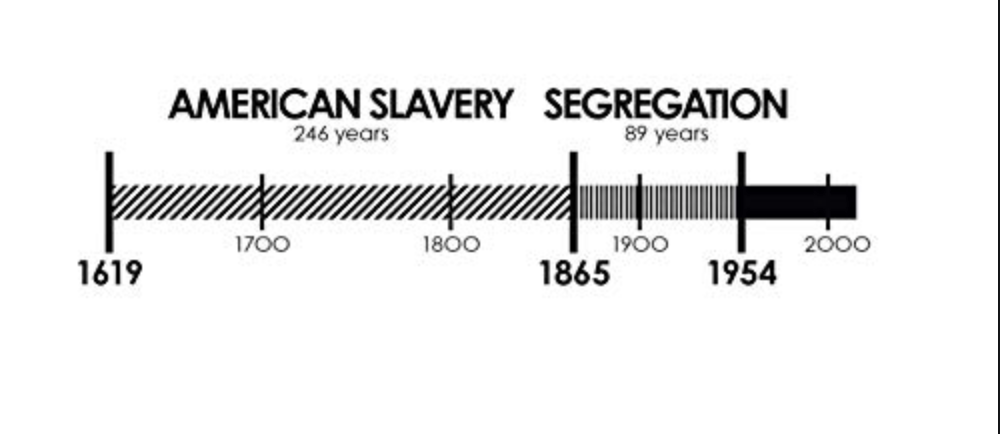
One key event that many argue began this issue is the American Slave Trade in 1619. Following this event slavery continued, was legalized, took many turns, was supported by some and looked down upon by others. But it all ended on December 18, 1865 when slavery was abolished. Well, at least that is what we have been told in our history books.


In Ronald Takaki’s A Different Mirror he quotes James Hammond who says, “We have to rely more and more on the power of fear. We are determined to continue masters, and to do so we have to draw the reign tighter and tighter day by day to be assured that we hold them in complete check” (p. 104). In history, slavery was dictated by total control and due to this control the slave owners were able to create fear within their slave that made it almost impossible for them to escape their enslavement.

This image has an empty alt attribute; its file name is 7159oixs9il.jpg
Takaki, R. (2008). A Different Mirror (Revised ed.). Back Bay Books.

Our community partner Ken Gilmore (pictured below) explained to our group the cycle of modern-day slavery. It is dictated by the same power of fear Takaki expresses in the slavery from 1619 to 1865. Ken says, “Once in captivity they use words and violence to keep them where they don’t feel they can escape.” Slavery in the 21st Century takes the form of Human Trafficking and Labor Trafficking. Our community partner works for a non-profit organization called Guardian Group. They seek to fight against and bring awareness to human trafficking in the United States.

In American History classes we are taught about the slave trade and the major impact the slaves had on America’s economy, production, and labor force. I want to examine the similarities between the slavery market back then and the market of human and labor trafficking today.

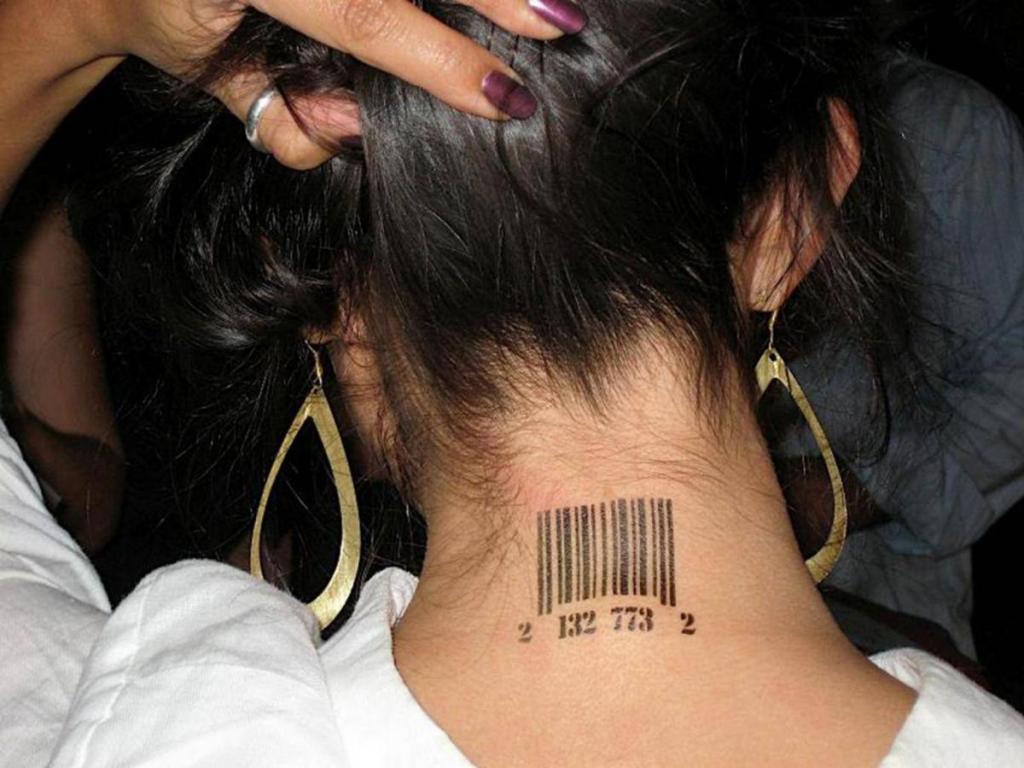
I asked Ken what a typical trafficking case looked like and he brought to my attention many things I was not aware of. Typically, a case begins with a missing person’s report that is filed and released in multiple areas. Often times the information regarding human trafficking is posted on the internet and essentially these girls and guys are sold on the internet to be trafficked, abused, and raped. Those in this market uses special codes that give the buyer information on what they are purchasing. At Guardian Group people work to crack these codes and use it as entail to locate many missing people. In the same way slaves were bought and sold before the abolition these men and women and being sold from one trafficker to another. Some victims are even branded with tattoos showing that they belong to their master.

Paul Peachey, (2014, September). Human traffickers’ victims ‘branded like cattle.’ Retrieved from https://www.independent.co.uk/news/uk/crime/human-traffickers-victims-branded-like-cattle-9763468.html


In Monique Villa’s book Slaves among us: the hidden world of human trafficking she states, “They are not chained as they were in the past. They can walk among us…They look like us, although they inhabit a totally different universe” (p. 1). Slaves are not physically chained down they are chained to their masters by manipulation, threats, shame, and leverage. We may even see these slaves around us every day. In hotels, planes, and on the streets. Yet, they feel they have nowhere to run because their master has psychologically broken them down to the extent that they are scared to seek help, or they carry so much shame they lose all sense of worth.

Many American citizens are unaware of the idea that slavery even exists in modern times. I will argue this claim by pointing us to a statement made by Neil Postman in his book Amusing Ourselves to Death, “Whether we are experiencing the world through the lens of speech or the printed word, or the television camera, our media metaphors classify the world for us, sequence it, frame it, enlarge it, reduce it, color it, argue a case for what the world is like” (p. 10). A major problem in the market of modern human slavery is the lack of attention the subject gets in media. There are less movements to combat the issue because people are simply uneducated. There is a simple solution that we all can be a part of. That solution is spreading awareness about the issue. Guardian group is a part of this movement and puts an emphasis on educating people on the trafficking in America. In America’s past history the enslavement of people was a well-known topic and it was even addressed in the forms of media used during that time frame, which was mostly through word of mouth and the printing press. We now have so many outlets for media but still this topic lacks media representation.

Guardian Group is working to reduce the amount of trafficking in multiple areas. Ken brought to our attention that border states or port states are often where human trafficking thrives because there is naturally more criminal activity in these areas. Some examples are Seattle, Los Angeles, Portland, Miami, or New York. Women are often trafficked for sex and men are often trafficked for labor. They are used as “pimps” to aided in drug movement or other various forms of criminal activities. This is yet another reason why these slaves find it difficult to break out of bondage because they are often involved in illegal activity in order to survive.

Human slavery is not much different than it was in the past. Humans are being sold and purchased. They are forced into acts or labor against their own will. Traffickers uses the same psychological bondage methods to keep their slaves in check. The only difference between now and then is that it is done in the shadows. The thirteenth amendment abolished the slavery that everyone saw and knew was happening right in front of them, but it did not stop the slavery that is done in the shadows.

By shifting our frame of reference to see the problem of human slavery in the 21st century we as American citizens should see the need for a solution. The individuals and groups responsible for so many of these labor and sex crimes need to be stopped. By bringing attention and calling human and labor trafficking what it is, slavery, we can partner with and bring attention to organizations such as Guardian group that work to train people to help recognize and prevent these crimes. Slavery has taken a new form and it is happening right in front of us.

References

Gilmore, K. (2020, February 10). [Personal interview by the author].

Postman, N. (1985). Amusing Ourselves To Death (20th Anniversary ed.). Penguin Books.

Ştefănoaia, M. (2015). Modern-Day Slavery – Human Trafficking In The 21st Century. International Conference KNOWLEDGE-BASED ORGANIZATION, 21(2), 505-511.

Takaki, R. (2008). A Different Mirror (Revised ed.). Back Bay Books.

Villa, M. (2019). Slaves among us : The hidden world of human trafficking. Lanham: Rowman & Littlefield.

Design a site like this with WordPress.com
Get started