Our frame of reference is the point of view that we can use to see and understand events based off of our prior knowledge, assumptions, values and languages. When examining slavery, our frame of reference can either create a fixed mindset focusing on the slavery in our history or create a broader understanding leading us to see slavery in the 21st Century. In Slaves among us: the hidden world of human trafficking, Monique Villa defines a slave as someone who is forced to work, through fraud or threat of violence, for no pay beyond subsistence. (p. 1). In order to see slavery in its form today we must examine what slavery was like in America’s history.
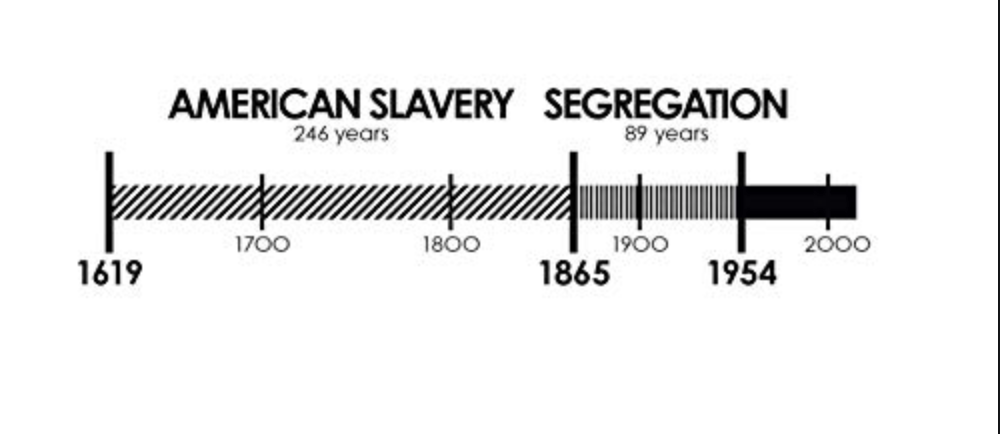
One key event that many argue began this issue is the American Slave Trade in 1619. Following this event slavery continued, was legalized, took many turns, was supported by some and looked down upon by others. But it all ended on December 18, 1865 when slavery was abolished. Well, at least that is what we have been told in our history books.
In Ronald Takaki’s A Different Mirror he quotes James Hammond who says, “We have to rely more and more on the power of fear. We are determined to continue masters, and to do so we have to draw the reign tighter and tighter day by day to be assured that we hold them in complete check” (p. 104). In history, slavery was dictated by total control and due to this control the slave owners were able to create fear within their slave that made it almost impossible for them to escape their enslavement.
Our community partner Ken Gilmore (pictured below) explained to our group the cycle of modern-day slavery. It is dictated by the same power of fear Takaki expresses in the slavery from 1619 to 1865. Ken says, “Once in captivity they use words and violence to keep them where they don’t feel they can escape.” Slavery in the 21st Century takes the form of Human Trafficking and Labor Trafficking. Our community partner works for a non-profit organization called Guardian Group. They seek to fight against and bring awareness to human trafficking in the United States.

In American History classes we are taught about the slave trade and the major impact the slaves had on America’s economy, production, and labor force. I want to examine the similarities between the slavery market back then and the market of human and labor trafficking today.
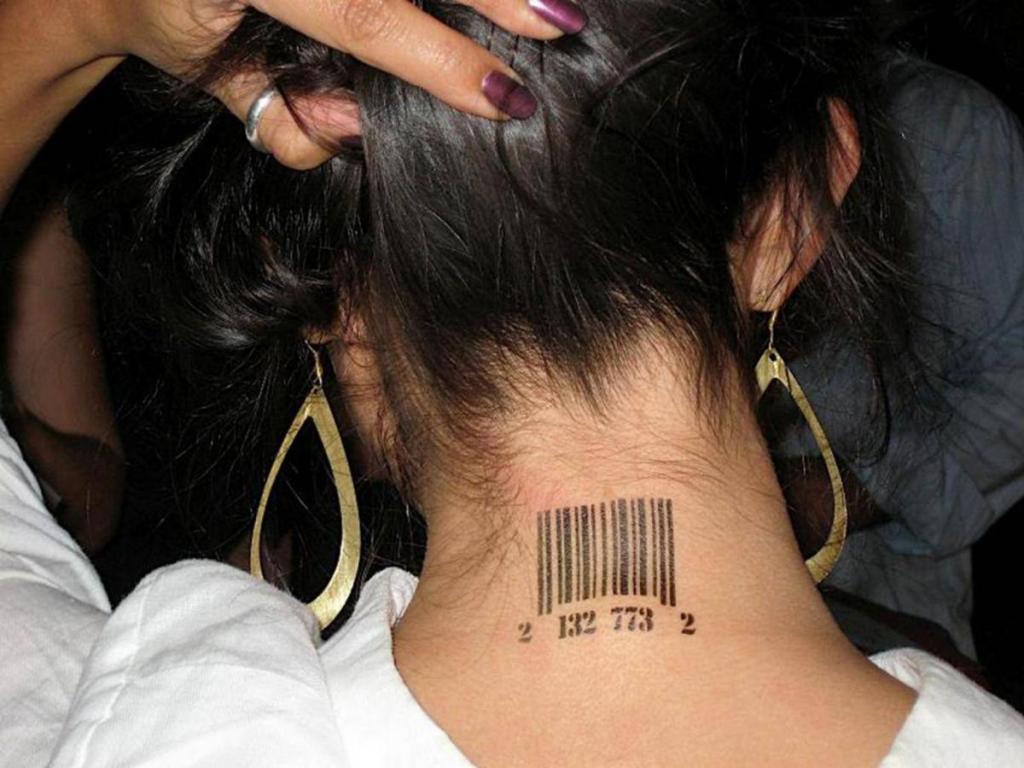
I asked Ken what a typical trafficking case looked like and he brought to my attention many things I was not aware of. Typically, a case begins with a missing person’s report that is filed and released in multiple areas. Often times the information regarding human trafficking is posted on the internet and essentially these girls and guys are sold on the internet to be trafficked, abused, and raped. Those in this market uses special codes that give the buyer information on what they are purchasing. At Guardian Group people work to crack these codes and use it as entail to locate many missing people. In the same way slaves were bought and sold before the abolition these men and women and being sold from one trafficker to another. Some victims are even branded with tattoos showing that they belong to their master.
In Monique Villa’s book Slaves among us: the hidden world of human trafficking she states, “They are not chained as they were in the past. They can walk among us…They look like us, although they inhabit a totally different universe” (p. 1). Slaves are not physically chained down they are chained to their masters by manipulation, threats, shame, and leverage. We may even see these slaves around us every day. In hotels, planes, and on the streets. Yet, they feel they have nowhere to run because their master has psychologically broken them down to the extent that they are scared to seek help, or they carry so much shame they lose all sense of worth.
Many American citizens are unaware of the idea that slavery even exists in modern times. I will argue this claim by pointing us to a statement made by Neil Postman in his book Amusing Ourselves to Death, “Whether we are experiencing the world through the lens of speech or the printed word, or the television camera, our media metaphors classify the world for us, sequence it, frame it, enlarge it, reduce it, color it, argue a case for what the world is like” (p. 10). A major problem in the market of modern human slavery is the lack of attention the subject gets in media. There are less movements to combat the issue because people are simply uneducated. There is a simple solution that we all can be a part of. That solution is spreading awareness about the issue. Guardian group is a part of this movement and puts an emphasis on educating people on the trafficking in America. In America’s past history the enslavement of people was a well-known topic and it was even addressed in the forms of media used during that time frame, which was mostly through word of mouth and the printing press. We now have so many outlets for media but still this topic lacks media representation.
Guardian Group is working to reduce the amount of trafficking in multiple areas. Ken brought to our attention that border states or port states are often where human trafficking thrives because there is naturally more criminal activity in these areas. Some examples are Seattle, Los Angeles, Portland, Miami, or New York. Women are often trafficked for sex and men are often trafficked for labor. They are used as “pimps” to aided in drug movement or other various forms of criminal activities. This is yet another reason why these slaves find it difficult to break out of bondage because they are often involved in illegal activity in order to survive.
Human slavery is not much different than it was in the past. Humans are being sold and purchased. They are forced into acts or labor against their own will. Traffickers uses the same psychological bondage methods to keep their slaves in check. The only difference between now and then is that it is done in the shadows. The thirteenth amendment abolished the slavery that everyone saw and knew was happening right in front of them, but it did not stop the slavery that is done in the shadows.
By shifting our frame of reference to see the problem of human slavery in the 21st century we as American citizens should see the need for a solution. The individuals and groups responsible for so many of these labor and sex crimes need to be stopped. By bringing attention and calling human and labor trafficking what it is, slavery, we can partner with and bring attention to organizations such as Guardian group that work to train people to help recognize and prevent these crimes. Slavery has taken a new form and it is happening right in front of us.
References
Gilmore, K. (2020, February 10). [Personal interview by the author].
Postman, N. (1985). Amusing Ourselves To Death (20th Anniversary ed.). Penguin Books.
Ştefănoaia, M. (2015). Modern-Day Slavery – Human Trafficking In The 21st Century. International Conference KNOWLEDGE-BASED ORGANIZATION, 21(2), 505-511.
Takaki, R. (2008). A Different Mirror (Revised ed.). Back Bay Books.
Villa, M. (2019). Slaves among us : The hidden world of human trafficking. Lanham: Rowman & Littlefield.
 Human Slavery